
Group time should be a chance to enjoy a story, sing a song, or play a game together. But sometimes, one or two children make it difficult for everyone to participate.
You've reminded them, tried a calm voice, and redirected them — but the interruptions keep happening.
Sound familiar? You're not alone!
Group time can be challenging for young learners who are still developing listening, self-regulation, and social skills. Here are 8 practical strategies to help make group time smoother and more enjoyable.
8 Classroom Management Strategies to Try
1. Give the Child a Special Spot
Invite the child to sit close to you before group time begins. This makes it easier to offer quiet reminders, provide support, and recognize positive behavior.
2. Give Them a Classroom Job
Keep little hands busy with a meaningful task. Let the child hold the book, turn pages, choose a song, or help count classmates. Having a job can help children feel included and involved.
3. Add Movement Breaks
Young children aren't meant to sit still for long periods. Break up group time with action songs, stretching, animal movements, or quick movement games.
4. Use Visual Reminders
Don't just tell children what to do — show them! Simple picture cards for listening ears, quiet hands, and looking eyes help children remember group-time expectations.
5. Redirect Quietly
Instead of correcting a child in front of everyone, move closer and offer a gentle reminder. Try: "Let's find a way to help you join our group."
6. Catch Them Doing Something Right
Notice small successes! Say, "I love how you're waiting for your turn" or "Thank you for listening." Specific, positive feedback encourages children to keep practicing.
7. Offer Two Choices
Avoid turning every reminder into a battle. Try: "Would you like to sit beside me or use the wiggle cushion?" Simple choices give children some control while keeping expectations clear.
8. Talk After Group Time
If a child continues to struggle, have a short, private conversation afterward. Ask, "What would help you during group time tomorrow?" Work together on one simple plan.
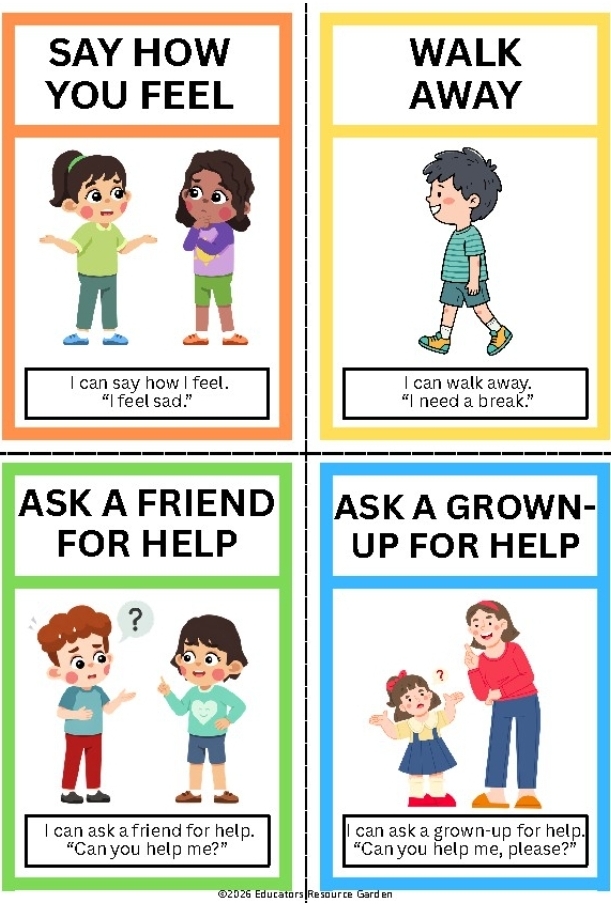
Help Children Become Better Problem-Solvers
Managing classroom behavior isn't just about stopping disruptions. It's also about teaching children what to do when something goes wrong.
What can they do when they're frustrated? How can they solve a disagreement? What if they have to wait for a turn?
Young children need opportunities to learn and practice these skills.
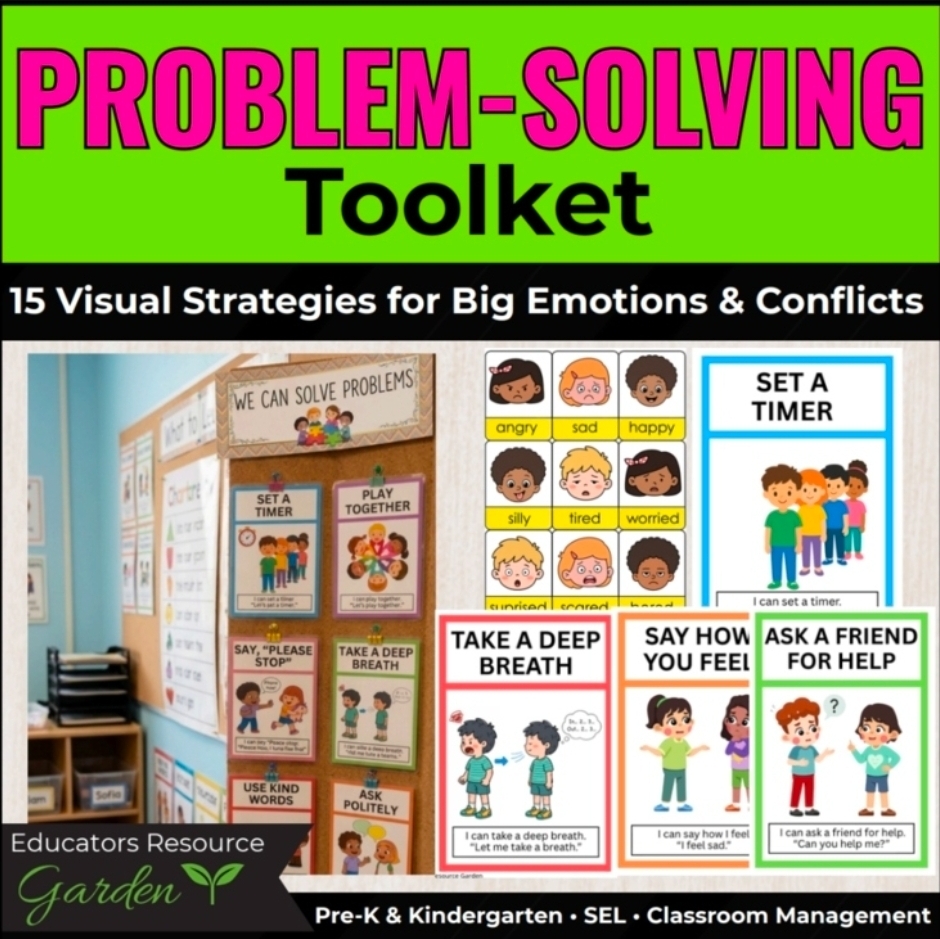
Our Problem-Solving Toolkit — 15 Visual Strategies helps children explore different ways to handle everyday challenges, manage emotions, and practice positive problem-solving.
Use these visual strategies to introduce helpful solutions, discuss common classroom situations, and encourage children to make positive choices.
A practical resource for building problem-solving and social-emotional skills in preschool and kindergarten!
One Small Change Can Make a Difference!
You don't have to try all eight strategies at once. Pick one, give it a try, and see what works for your classroom.
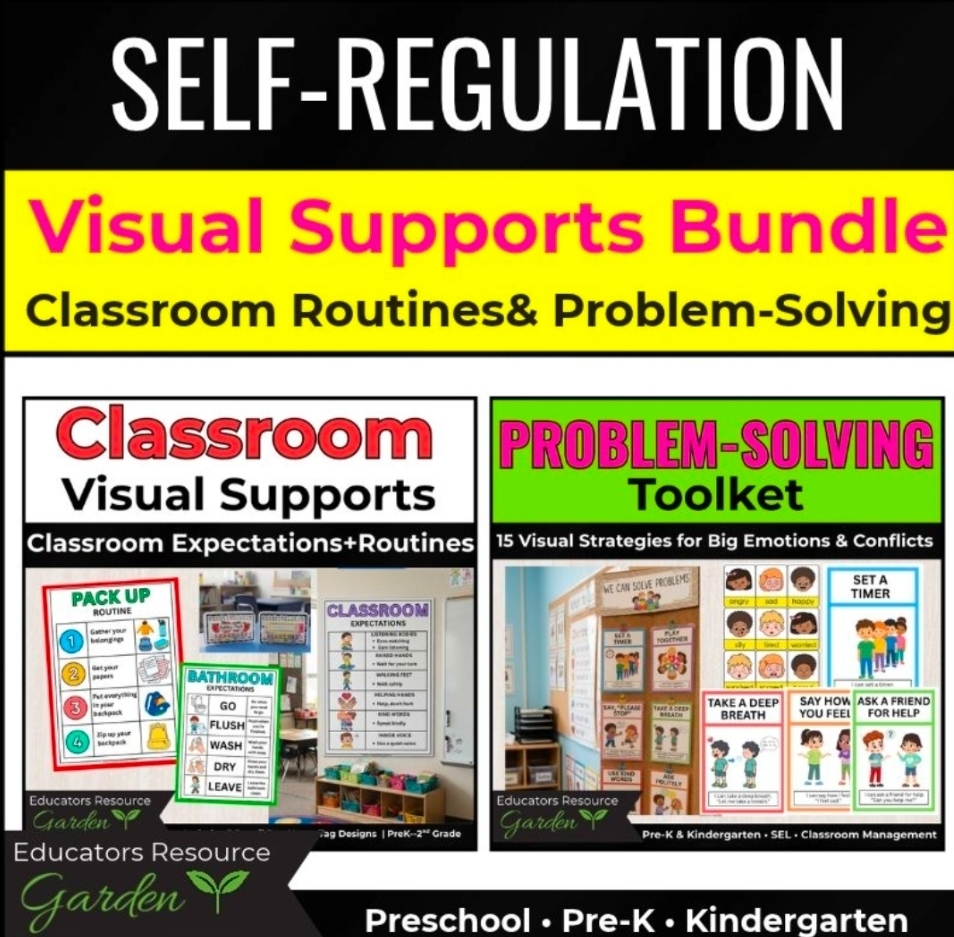
The goal isn't a perfectly quiet circle. It's helping every child feel included, supported, and ready to learn.
What's your biggest challenge during group time? We'd love to hear from you!
Looking for More Classroom-Ready Activities?
Explore hands-on literacy, math, and social-emotional learning resources for PreK–2 at Educators' Resource Garden.
Happy Teaching!
The ERG Team
Educators' Resource Garden